Identifying and leveraging opportunities that lead to competitive advantage
Strategic thinking involves the ideation and implementation of unique business processes and leveraging opportunities that will lead to competitive advantage. Strategic thinkers are forward thinking, able to respond with agility to trends. They are risk takers identifying and exploiting opportunities. They have the ability to balance their attention between daily operational matters and longer term strategic initiatives. They are interested in what is occurring at all levels of an organization and the larger business environment, proactively seeking knowledge and improving their skills.
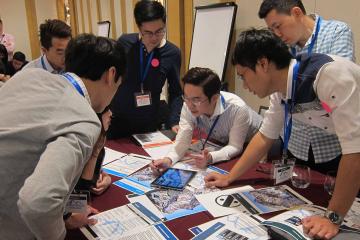
In the current ever changing, highly competitive business landscape, many organization's encourage collaborative strategic thinking among leaders. Strategic thinking as a team creates proactive discussion and a range of perspectives on complex issues creating better analysis of the longer term impact of decisions. Collaborative creative thinking by leaders can create a culture of innovation enabling individuals to achieve targets with greater success.
Look at this selection of related popular programs. Need help in deciding? Looking for something else?